The Importance of Proper Tree, Shrub, and Bush Pruning

Hand Pruning Dallas, GA Lawn Frogs Landscaping
Expert Pruning Services in Dallas, GA & Paulding County by Lawn Frogs Landscapes
Pruning is one of the most essential horticultural practices for maintaining a healthy, vibrant, and visually appealing landscape.
Whether you have mature shade trees, ornamental shrubs, flowering bushes, privacy hedges, or foundation plantings, proper pruning directly impacts how your landscape performs all year long.
When done correctly—and at the right time—pruning promotes healthier growth, prevents disease, encourages more blooms, enhances structural strength, and improves the overall appearance of your property.
When done incorrectly or at the wrong time, however, pruning can create long-term damage that weakens plants, stunts growth, encourages pests, or even kills the plant entirely.
That’s why homeowners throughout Dallas, GA, Acworth, Kennesaw, Hiram, and Paulding County trust Lawn Frogs Landscapes to prune their trees, shrubs, and bushes with the precision and horticultural knowledge needed to protect their investment.
This comprehensive guide explains why pruning matters, when to prune, how pruning should be performed, and why professional expertise makes all the difference in long-term plant health.
Why Pruning Matters: The Science Behind Healthier Trees & Shrubs
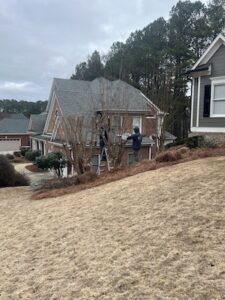
Crepe Myrtle Pruning Lawn Frogs Landscaping Acworth GA
Proper pruning is far more than just trimming branches to make plants look tidy.
It is a horticultural technique that affects biological processes such as growth patterns, nutrient distribution, flowering cycles, and structural integrity. Here are the primary benefits and reasons pruning is critical:
Promotes Healthier Growth and Plant Structure
Pruning removes dead, diseased, crossing, or weak branches that compete with healthy ones.
This allows trees and shrubs to focus their energy on strong, vigorous growth. Selective pruning improves the plant’s natural shape and directs growth where it is most beneficial.
Trees that grow with poor internal structure are more likely to break during storms—something Georgia homeowners understand well.
Correct pruning helps form strong branch unions and reduces the risk of limb failure.
Encourages Flowering and Fruiting
Many ornamental shrubs and flowering trees bloom more abundantly when pruned correctly. Proper timing is essential:
-
Some shrubs bloom on old wood (last year’s growth)
-
Others bloom on new wood (current year’s growth)
Pruning at the wrong time can remove the buds and eliminate an entire season of blooms.
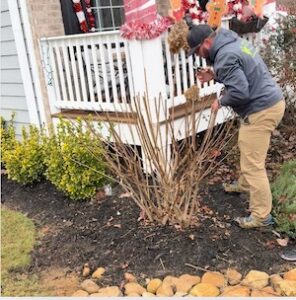
Hydrangea Pruning Acworth GA
Pruning hydrangeas, crepe myrtles, azaleas, camellias, butterfly bushes, and roses all require different approaches.
Improves Air Circulation and Sunlight Exposure
Dense canopies trap moisture, leading to fungal diseases like powdery mildew, leaf spot, and blight.
Thinning cuts allow air and sunlight to reach the interior of the plant, reducing disease pressure and creating a healthier growing environment.
Prevents Pests and Disease Spread
Pruning immediately removes infected or infested limbs before a problem spreads to the rest of the plant.
This technique is especially important for fruit trees, hollies, boxwoods, and certain evergreen species that can suffer rapid disease transmission.
Enhances Curb Appeal and Landscape Aesthetics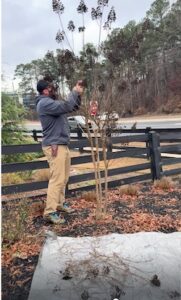
A well-maintained landscape instantly looks cleaner, more polished, and more professional.
Pruning defines shape, highlights natural features, and keeps shrubs from overgrowing walkways, windows, and other structures.
Curb appeal is one of the top reasons Dallas, GA homeowners request seasonal pruning from Lawn Frogs Landscapes.
Improves Safety for Your Home and Property
Dead or overhanging limbs pose a significant safety hazard. Storms, heavy winds, or the natural aging process can cause branches to fall on roofs, cars, fences, or people.
Pruning reduces these liabilities—and often prevents expensive emergency tree removals later.
When to Prune Trees, Shrubs, and Bushes
Timing is one of the most important factors in pruning.
Each plant species responds differently based on growth habits, flowering schedules, and seasonal energy cycles.
Below is an expert breakdown of the best times to prune the most common plants found in Georgia landscapes.
Winter & Early Spring Pruning (December – March)
This is the most common and beneficial time to prune many types of shrubs and trees because plants are dormant.
Sap flow is reduced, wounds heal more efficiently, and shaping is easier without leaves.
Best candidates for winter pruning:
-
Crepe myrtles (light structural pruning only—no “crape murder”)
-
Roses (depending on variety)
-
Fruit trees (peach, apple, pear)
-
Deciduous trees with no disease issues
-
Holly bushes
-
Ornamental grasses (late winter cutback)
-
Hydrangea paniculata and arborescens (bloom on new wood)
Benefits of winter pruning:
-
Encourages strong spring growth
-
Reduces plant stress
-
Improves visibility for structural shaping
-
Minimizes disease spread
-
Decreases pest attraction
Spring Pruning (March – May)
Once new growth emerges, certain plants need selective pruning to encourage proper shape or remove winter-damaged limbs.
Best candidates for spring pruning:
-
Shrubs that bloom on new wood but were not pruned in winter
-
Boxwoods (light shaping only)
-
Evergreen shrubs
-
Spring-blooming trees after flowering
Important note:
Do not heavily prune shrubs that bloom on old wood in spring—such as azaleas and camellias—until after they bloom.
Summer Pruning (June – August)
Summer pruning helps maintain shape, remove fast-growing shoots, and manage overall plant size.
Best candidates for summer pruning:
-
Crepe myrtles (light touch-ups only, never topping)
-
Hollies
-
Privet hedges
-
Boxwoods
-
Shade trees (structural correction)
Benefits of summer pruning:
-
Controls excessive growth
-
Enhances airflow to prevent summer disease
-
Allows immediate correction of storm damage
However, summer is not the time for heavy pruning—especially in the Georgia heat—because excessive removal can stress plants.
Fall Pruning (September – November)
Fall is one of the worst times to prune many trees and shrubs, yet it’s when many homeowners mistakenly do it.
Why fall pruning is risky:
-
Pruning triggers new growth right before winter
-
New growth cannot harden off before freezing
-
It can weaken the plant going into dormancy
What can be pruned in fall:
-
Dead or diseased branches only
-
Very light shaping (minimal)
Fall pruning should be limited, and major pruning should be delayed until late winter.
How to Properly Prune Trees, Shrubs, and Bushes: A Horticultural Expert Guide
Pruning is both an art and a science. Improper techniques can severely damage plant tissue and alter growth patterns for years.
Here is a deep, expert-level breakdown of how pruning should be done correctly.
Use the Correct Tools
The right tools create clean cuts that heal faster.
Essential pruning tools:
-
Hand pruners (bypass style for clean cuts)
-
Loppers for thicker branches
-
Pruning saw for large limbs
-
Pole pruner for high branches
-
Hedge trimmers for shaping hedges
-
Disinfectant for cleaning blades between cuts
Never use dull tools—they tear bark and introduce disease.
Identify the Type of Growth Being Removed
There are three primary types of pruning cuts:
• Thinning Cuts
Remove an entire branch back to its origin.
Promotes airflow and maintains natural shape.
• Heading Cuts
Shorten a branch back to a bud or lateral branch.
Used for shaping shrubs and encouraging fullness.
• Renewal Cuts
Rejuvenation for overgrown shrubs by cutting selected stems to the ground.
Used for hydrangeas, hollies, roses, and certain ornamental shrubs.
Each cut produces a different plant response—understanding this is critical.
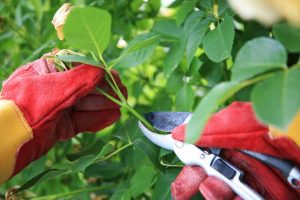
Pruning Rose Bushes Dallas GA Lawn Frogs Landscaping
Avoid These Common Pruning Mistakes
Many homeowners unintentionally damage their plants by:
-
Topping crepe myrtles (“crape murder”)
-
Cutting too close or too far from the branch collar
-
Using hedge trimmers on shrubs that should be hand-pruned
-
Removing more than 25–30% of the plant at one time
-
Pruning at the wrong time of year
-
Leaving stubs
-
Not disinfecting tools
-
Removing the interior branches instead of thinning
These mistakes can permanently weaken or deform plants.
Pruning Techniques for Different Categories of Plants
Deciduous Trees
These trees should be pruned in late winter when their structure is visible.
Key steps:
-
Remove crossing branches
-
Establish a strong central leader
-
Remove suckers and water sprouts
-
Thin crowded areas
-
Avoid heavy pruning after spring leaf-out
Evergreen Trees
Evergreens require minimal pruning but do best with occasional shaping and dead limb removal.
Never cut into bare wood areas that cannot regenerate.
Flowering Shrubs
Timing is critical.
-
Bloom on Old Wood (prune after flowering):
-
Azaleas
-
Camellias
-
Viburnum
-
Forsythia
-
Lilacs
-
-
Bloom on New Wood (prune in winter or early spring):
-
Hydrangea paniculata
-
Hydrangea arborescens
-
Butterfly bushes
-
Roses
-
Hedge Plants
Hedges must be pruned regularly to maintain dense, full growth.
Horticulture rule:
Always keep hedges narrower at the top and wider at the base to allow sunlight penetration.
Ornamental Trees
Trees such as crepe myrtles, Japanese maples, and dogwoods require careful, selective cuts—not shearing.
Overgrown or Neglected Shrubs
Rejuvenation pruning may be required for shrubs that have become large, woody, or leggy.
Professionals use multi-year pruning plans to avoid plant shock.
Signs Your Trees and Shrubs Need Pruning
Many homeowners ask how often pruning should be done. While each species is different, here are the most common signs pruning is needed:
-
Branches touching your home or roof
-
Overgrown shrubs blocking windows
-
Dead or brittle limbs
-
Plants growing unevenly or too tall
-
Decrease in flowering
-
Crossing or rubbing branches
-
Shrubs becoming too woody
-
Lower branches shading out interior growth
-
Storm or wind damage
-
Shrubs encroaching on walkways or driveways
If any of these signs are present, it’s time to schedule pruning.
Why Professional Pruning Matters: The Lawn Frogs Landscapes Difference
Pruning may seem simple, but true horticultural pruning is highly specialized work. At Lawn Frogs Landscapes, our team has years of experience caring for the unique plant species found throughout Dallas, GA, and the surrounding communities.
Here’s why hiring a professional makes all the difference:
Correct Timing for Each Species
We know which shrubs bloom on old wood vs. new wood, how different trees respond to seasonal pruning, and how to protect plants from stress.
Expert Understanding of Plant Biology
Every cut affects future growth. Our knowledge ensures pruning encourages strength—not weakness.
Proper Tools and Safety Equipment
We use commercial-grade cutting tools, ladders, pole saws, and safety equipment to ensure efficient and hazard-free work.
Protection from Disease and Pest Problems
Sanitized tools and proper cut techniques reduce infection risk dramatically.
Storm Damage Prevention
We remove structurally weak or hazardous limbs before storms create costly damage.
Beautiful, Natural Plant Shape
Your landscape will look fuller, healthier, and properly maintained—not butchered or over-trimmed.
Long-Term Plant Health
Correct pruning increases the lifespan of your trees and shrubs.
Saves Time and Protects Your Investment
Professional pruning protects your landscape investment and prevents costly replacements.
Seasonal Pruning Services Offered by Lawn Frogs Landscapes

Dallas, GA Professional Polesaw Pruning With Lawn Frogs Landscaping
Our pruning and landscape maintenance services in Dallas, GA include:
-
Tree pruning and limb reduction
-
Shrub and bush trimming
-
Ornamental tree shaping
-
Hedge maintenance
-
Tree and shrub rejuvenation
-
Storm damage cleanup
-
Disease and dead limb removal
-
Seasonal pruning programs
We build personalized pruning plans that match your landscape’s specific needs.
How Often Should Pruning Be Done?
A common question we receive is:
“How often should I prune my trees and shrubs?”
Here is a general guide:
-
Shrubs: 2–3 times per year for shaping
-
Hedges: Every 6–8 weeks during growing season
-
Flowering shrubs: Once annually at proper seasonal timing
-
Trees: Every 1–3 years depending on species and condition
However, pruning frequency depends on plant age, growth rate, landscape design, and homeowner preference.
Pruning for Landscape Design & Property Value
In addition to plant health benefits, pruning also plays a major role in overall landscape design.
Professional pruning can:
-
Maintain symmetry and structure
-
Frame entryways and windows
-
Increase visibility of architectural features
-
Define walkways and patios
-
Improve driveway visibility
-
Create privacy screening
-
Restore overgrown areas
-
Enhance outdoor living spaces
Well-pruned landscapes are more attractive to buyers and significantly increase curb appeal.
Homeowner Pruning vs. Professional Pruning: What’s the Difference?
Many homeowners perform basic pruning but are unaware of the techniques required to preserve plant health.
Homeowner Pruning Often Results In:
-
Overpruning
-
Cutting at the wrong time
-
Removing flowering wood
-
Poor shaping
-
Topping trees or shrubs
-
Exposing plants to disease
Professional Pruning Provides:
-
Species-specific care
-
Long-term growth strategy
-
Proper shaping and structural balance
-
Minimal plant stress
-
Increased flowering
-
Better safety and storm resilience
Plant health improves dramatically when pruning is performed by trained horticulture professionals.
The Cost of Improper Pruning
Improper pruning is one of the most common causes of plant decline. The damage can be long-lasting and expensive to repair.

Common consequences include:
-
Plant death
-
Reduced flowering
-
Weak branch structure
-
Pest infestation
-
Increased disease
-
Wood rot
-
Sunscald
-
Irregular shape
-
Permanent stunting
Many plants never fully recover from severe pruning mistakes.
Why Dallas, GA Homeowners Trust Lawn Frogs Landscapes
Since 2003, Lawn Frogs Landscapes has built a reputation for reliability, professionalism, and horticultural expertise. Our team understands the unique climate, soil conditions, and plant varieties that thrive in Paulding County.

Rose bush pruning Dallas, GA
Our pruning services are:
-
Detailed
-
Scientifically based
-
Seasonally scheduled
-
Safe for all species
-
Tailored to your property
We maintain landscapes for homeowners, HOA communities, rental properties, and commercial clients throughout the region.
Ready for Healthier, Better-Looking Trees and Shrubs?
Schedule Pruning Services Today with Lawn Frogs Landscapes
Your landscape is a living investment. Proper pruning protects that investment, enhances your home’s beauty, and creates a healthier outdoor environment for years to come.
Whether you need seasonal maintenance, rejuvenation pruning, storm cleanup, or a complete landscape care plan, our team is here to help.
➡️ Call Lawn Frogs Landscapes Today
(770) 842-5416
➡️ Request a Pruning Estimate Online
Visit: LawnFrogsLandscapes.com
Let us keep your trees, shrubs, and bushes healthy, beautiful, and growing strong.
Contact Us Today for your pruning needs.