Fall Leaf Clean Up: Why Removing Fallen Leaves from Your Lawn and Landscape Is Essential in Acworth and Dallas, Georgia
Every autumn in the Southeast, trees put on a spectacular show—vibrant colors, cool breezes, and a carpet of fallen leaves. While picturesque, that blanket of leaves can quickly cause problems for lawns, garden beds, and overall landscape health if left unmanaged. Fall leaf clean up is more than curb appeal; it’s essential landscape maintenance that protects turf, prevents disease and pests, and preserves soil and plant health. This article explains why fall leaf clean up matters in the Southeast, how leaves affect different parts of your landscape, best practices for effective cleanup, and sustainable options for dealing with leaf debris used by Lawn Frogs Landscaping.
Why Fall Leaf Clean Up Matters in the Southeast Climate and tree mix
 The Southeast’s humid subtropical climate—mild winters, warm, wet springs and summers—creates conditions where fallen leaves can decompose rapidly, hold moisture against plant surfaces, and promote fungal diseases. Southeastern yards often host a mix of deciduous trees (oaks, maples, sweetgums, hickories) and evergreen species; the density and variety of leaf drop mean cleanup needs are frequent and attentive.
Lawn health and photosynthesis
A thick layer of leaves blocks sunlight and air exchange to grass. Grass in the Southeast (often warm-season species like bermudagrass, zoysiagrass, centipede, and St. Augustine) needs sufficient light and airflow to survive cool-season transitions and spring recovery. Leaves left on turf smother grass, reduce photosynthesis, and cause thinning, brown patches, and increased vulnerability to stressors.
Moisture retention and fungal disease
Fallen leaves trap moisture against the turf and plant crowns, creating an ideal microclimate for fungal pathogens such as brown patch, dollar spot, leaf spot diseases, and snow/ice molds in cooler pockets. In the Southeast, where humidity is often high, these conditions persist longer, elevating disease pressure.
Pest habitat and overwintering
Leaves left in garden beds or under shrubs provide shelter for insects, rodents, and other pests that can overwinter and become pests in spring. Slugs, snails, earwigs, and some beetles thrive in moist, protected leaf litter. Removing or managing leaf layers reduces overwintering habitat and lowers spring pest emergence.
Weed and seed bed
Thick leaf layers can suppress desirable seedlings, ornamentals, and lawn overseeding efforts while simultaneously creating a mat that traps weed seeds and allows them to germinate in sheltered conditions. This complicates spring lawn care and bed management.
Soil and plant health
While leaf litter can add organic matter and nutrients as it decomposes, unmanaged dense mats can cause uneven nutrient release and localized acidity spikes. Properly managed, shredded leaves are an excellent soil amendment; unmanaged, whole-leaf mats can hinder plant roots and alter soil conditions negatively.
Aesthetics and safety
Beyond biology, fallen leaves can obscure hazards like uneven ground, garden tools, or hidden debris. Wet leaves are slick—on walkways and driveways they create slip hazards. For homeowners prioritizing curb appeal, timely leaf removal maintains a tidy, well-cared-for landscape.
Specific Risks to Southeastern Lawns and Landscapes
- Warm-season turf dormancy and spring recovery: Warm-season grasses go dormant when temperatures drop. A heavy leaf cover during dormancy can lead to increased winterkill or significantly delay spring green-up by preventing sunlight and trapping moisture that can cause freezing damage during brief cold snaps. When grass tries to come out of dormancy, patchy growth from leaf-covered areas is common.
- Increased fungal disease incidence: The Southeast’s extended humidity period means leaves remain damp longer. Pathogens thrive in these conditions, causing foliar diseases that spread to healthy plants. Leaf debris on shrubs and perennials is a reservoir for spores.
- Lawn aeration and compaction issues: Leftover leaves compact under foot traffic or mowing, reducing soil aeration. Compacted leaf mats limit gas exchange to roots and slow water infiltration in heavy rains—common in the Southeast—leading to runoff and erosion in sloped yards.
- Tree and shrub stress: When debris accumulates near the trunks of trees and shrubs, it can hold excessive moisture against bark, encouraging rot and fungal infections. It can also discourage beneficial mycorrhizal fungi from interacting properly with roots.
- Stormwater and drainage: Southeastern storms can be intense. Leaves can clog gutters, drains, and stormwater systems, exacerbating flooding and waterlogging in low-lying areas and damaging landscape plantings.
Best Practices for Fall Leaf Clean Up in the Southeast Timing and frequency
- Start early and be consistent. Don’t wait for every leaf to fall—regular removal reduces buildup and labor. In many Southeastern locales, leaves drop over a prolonged period; plan for multiple clean-ups from early fall through late winter for some species.
- Monitor weather and moisture. Dry leaves are easier to collect and shred; wet leaves are heavier and can compact into mats. Aim to rake or mulch after a drying period.
Tools and equipment
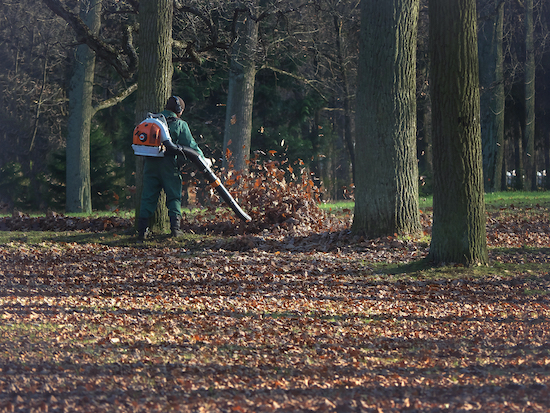
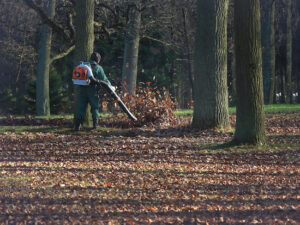
- Leaf blower: Efficient for gathering leaves on large lawns and landscapes. Use a backpack blower for speed on big properties; choose lower-noise models and observe local ordinances on blower use.
- Rake: Traditional and precise, ideal for beds, around delicate plants, and smaller properties. Use a leaf rake with wide tines for efficiency.
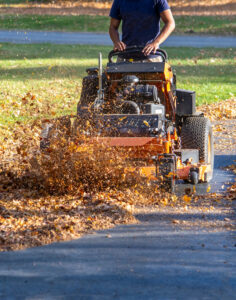
- Mower with bagger or mulching blade: For lawns, mow over leaves with a mulching blade to chop them into fine pieces; use a bagger attachment to collect if removal is desired. Repeated mowing/ mulching with the mower can reduce leaves to a size that releases nutrients and decomposes quickly.
- Tarp: Great for transporting collected leaves to compost pile or yard-waste bin.
- Vacuum/shredder: Useful for turning leaves into mulch quickly but can be noisy and require maintenance.
- Compost bin/pile: To turn leaves into valuable humus. Combine leaves with green materials (grass clippings, kitchen scraps) for balanced decomposition.
Leaf removal techniques
- Mulch mowing: Use a mulching mower to finely chop leaves and return organic matter to the lawn. Limitations: only effective if leaves are shredded small; too many whole leaves can still smother turf. Best for light-to-moderate leaf cover.
- Raking and bagging: Traditional method for beds and lawns with heavy leaf cover. Bagged leaves can be composted or disposed of per municipal rules.
- Leaf blowing into windrows then collecting: Efficient for large areas—blow leaves into easily handled piles and either bag, compost, or haul them away.
- Bed clean-up: Remove leaves from plant beds and around perennials to prevent crown rot and to allow mulch to do its job. Leave a light layer of shredded leaves as winter mulch in certain beds if appropriate (see plant-specific notes).
- Targeted removal around trunks and crowns: Keep leaves several inches away from tree and shrub trunks to reduce moisture hold and pest sheltering.
Sustainable Options and Leaf Recycling Leave-on benefits when done properly
- Shredded leaves as mulch: Finely shredded leaves can protect soil, moderate temperature fluctuation, suppress weeds, and slowly release nutrients. Use shredded leaves as a 2–3 inch mulch layer around shrubs and perennials, but avoid piling them directly against stems or trunks.
- Compost: Leaves are a high-carbon “brown” material ideal for composting. Combine roughly 2–3 parts leaves with 1 part nitrogen-rich green materials (grass clippings, kitchen scraps) and maintain moisture and aeration. Turn periodically; finished compost is an excellent soil amendment.
- Leaf mold: Piled leaves left to decompose slowly in a shaded area produce leaf mold—an excellent soil conditioner for moisture retention and improving structure. It can take longer (6–12 months+), but requires minimal turning.
- Lawn fertilizer replacement: When mulched finely and managed, shredded leaves supply slow-release nutrients, reducing the need for some fertilizer applications in spring.
- Habitat piles with caution: If you maintain specific wildlife habitat, consider designating a small area away from formal lawn and bed spaces for leaf piles that benefit pollinators and insects—balanced against pest risk and disease mitigation.
When to avoid leaving leaves
- Do not leave thick, unshredded leaf mats on turf or directly on crowns of perennials or shrubs.
- Avoid leaving leaves in areas prone to drainage issues, rock/ gravel beds where they can compact and impede runoff, and near foundations or under decks where moisture can cause rot.
Plant-specific and seasonal considerations
- Warm-season grasses: Remove excessive leaf cover before dormancy to reduce winterkill risk. Mulch mowing is often acceptable for light to moderate leaf layers.
- Cool-season overseeding: If you plan to overseed with ryegrass in fall/winter, remove leaves first to ensure seed-to-soil contact, then follow with appropriate light topdressing and mulch-free surface.
- Perennials and bulbs: Remove leaves from spring-blooming bulb areas once foliage dies back and allow bulbs to reabsorb nutrients. In some cases, leave a light, shredded leaf mulch during winter for frost protection, then remove early spring as new growth emerges.
- Shade gardens and groundcovers: Thin leaf layers help protect plant crowns and reduce slug/slug habitat; add a light mulch of shredded leaves if desired.
- Ornamental beds and woody shrubs: Keep leaves away from root collars and trunks. Shredded leaves can be used as winter mulch—apply loosely to avoid smothering.
Practical Workflow for Efficient Fall Leaf Clean Up
- Assess and prioritize: Walk the property and note high-impact areas: lawns, beds with disease-prone plants, drainage channels, gutters, and high-traffic paths. Start with areas where leaves cause the greatest harm.
- Choose method by area: Lawn — mulch mowing or rake-and-bag. Beds — rake or blow leaves away, bag or compost. Gutters/drains — clear promptly after heavy leaf fall.
- Schedule sessions: Plan multiple short sessions rather than one long weekend. Regular 1–2 hour sessions are easier and more effective.
- Composting and disposal: Set up designated leaf piles or compost bins. Use tarp and bag systems for transport if municipal pickups are offered.
- Winter maintenance: Continue occasional leaf clearing through late fall/winter as needed. In the Southeast, some species drop late or early; stay vigilant.
Safety, Regulations, and Neighborhood Considerations
- Noise and local rules: Leaf blowers and vacuums can be noisy; check municipal noise ordinances and HOA rules. Consider low-noise electric or battery-powered tools where restrictions apply.
- Burning: Many Southeastern municipalities restrict open burning of leaves for air quality and safety reasons. Always follow local ordinances.
- Municipal leaf collection: Many cities offer curbside leaf collection programs—check schedules and rules for bagging or bundling leaves. Using municipal programs can save time but consider composting locally if you value on-site recycling.
- Waste disposal: Some counties require biodegradable bags; others accept loose leaf piles. Know pickup schedules and rules to avoid fines.
Economic and Long-Term Benefits of Regular Fall Leaf Clean Up
- Reduced lawn repair costs: Preventing disease and winter damage reduces the need for costly reseeding, sodding, or fungicide applications.
- Lower pest management costs: Removing overwintering habitats reduces pest emergence and lowers pesticide needs.
- Soil improvement: Composting leaves produces free, nutrient-rich soil amendments that improve soil structure, reduce irrigation needs, and support healthier plant growth—saving on commercial fertilizers and soil conditioners.
- Improved property value and curb appeal: Clean, well-maintained landscapes increase perceived property value and reduce liability from slips or hidden hazards.
Common Mistakes to Avoid
- Waiting too long and letting leaves mat down—this makes cleanup harder and increases disease risk.
- Bagging everything without assessing compost potential—leaves are a free resource when composted or shredded for mulch.
- Mulching overly thick layers—too many shredded leaves still create problems if they form dense mats.
- Ignoring gutters and drains—leaves can quickly clog drainage leading to landscape and foundation issues.
Checklist: Fall Leaf Clean Up for Southeastern Landscapes
- Inspect landscape and map high-priority zones (turf, beds, gutters).
- Begin regular leaf removal early in the season; schedule frequent small sessions.
- Use mulching mower for light coverage; rake/blow and bag for heavy layers.
- Shred leaves for mulch; compost leaves with green waste; create leaf mold where space permits.
- Keep leaves away from trunks and crowns; avoid piling against structures.
- Clear gutters and storm drains before heavy rains.
- Check local regulations for disposal, burning, and tool noise restrictions.
- Reassess in late winter/early spring to remove residual leaves before new growth.
In the Southeast’s humid, long-growing-season environment, fall leaf clean up is a critical task for maintaining lawn vigor, preventing disease and pests, and protecting long-term landscape health. With a combination of timely removal, strategic mulching, and composting, homeowners can turn leaf fall into an asset rather than a liability—preserving lush turf, healthy beds, good drainage, and a tidy, attractive yard. Whether you DIY with rakes and a mulching mower or hire landscape professionals for large properties, prioritizing fall leaf clean up now will reduce repairs, chemical use, and maintenance headaches later. Contact us today for your leaf clean up.